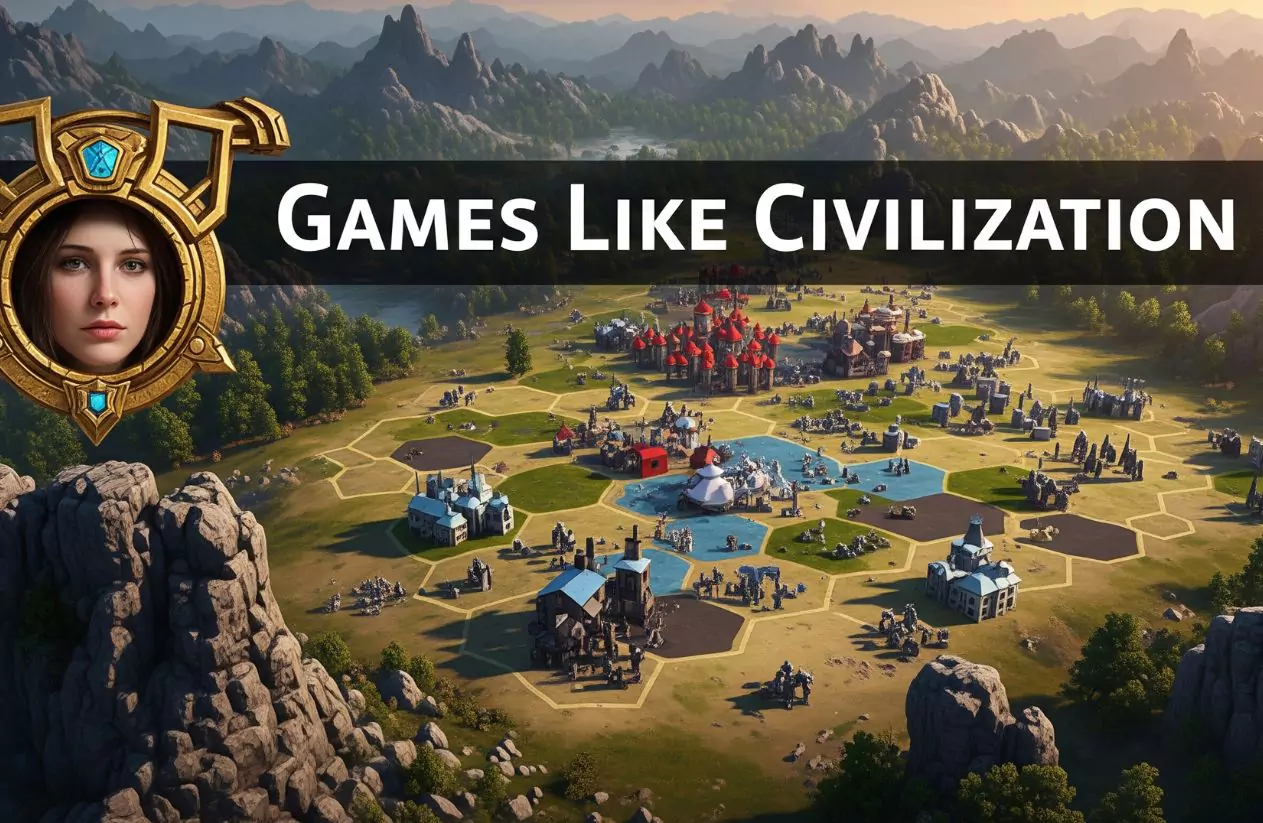
13 Best Games Like Civilization- Here are Similar Alternatives
masterpiece that has consumed countless hours with its addictive blend of exploration, expansion, exploitation, and extermination. There’s something uniquely satisfying about guiding a civilization from humble beginnings to a global superpower, shaping history with every decision.
But what happens when you’ve built all the wonders, conquered all the lands, and launched all the rockets? If you’re yearning for that same deep strategic satisfaction but are ready for a new challenge, and are looking for Games Like Civilization, you’re in the right place.
We’ve dug deep to uncover some fantastic titles that capture the spirit of Civilization while offering fresh mechanics and unique twists to keep you glued to your screen. Get ready to discover your next grand strategy obsession!
Quick Look: Top Alternatives for Civilization Fans
If you are addicted to the “one more turn” loop but want a change of scenery from Sid Meier’s classic, these are the best strategy games to play next.
- Humankind: The best direct competitor that lets you mix and match cultures throughout history.
- Stellaris: A must-play if you want to take the 4X formula into a massive, galactic scale.
- Endless Legend: A stunning fantasy-themed strategy game with deep lore and asymmetrical factions.
- Old World: Perfect for those who want the empire-building of Civ combined with character-focused drama.
- Total War: Warhammer III: The ultimate choice for blending turn-based empire management with massive real-time battles.
- Crusader Kings III: Best for players who prefer dynastic politics and role-playing over pure map conquest.
- Anno 1800: A top-tier choice for fans who love complex logistics and industrial-era city building.
- Age of Wonders 4: A fantastic hybrid of 4X strategy and tactical turn-based combat in a magical setting.
Comparison: Strategy Game Alternatives at a Glance
| Game | Theme | Gameplay Style | Platform |
| Humankind | Historical | Turn-Based 4X | PC, Console |
| Stellaris | Sci-Fi / Space | Grand Strategy | PC, Console |
| Endless Legend | Fantasy | Turn-Based 4X | PC |
| Crusader Kings III | Medieval | Dynastic RPG | PC, PS5, Xbox |
| Total War Series | History/Fantasy | Turn-Based & RTS | PC |
| Age of Wonders 4 | Fantasy | 4X & Tactical | PC, PS5, Xbox |
| Anno 1800 | Industrial | City-Builder / RTS | PC, PS5, Xbox |
| Northgard | Viking / Myth | Survival RTS | PC, Mobile, Console |
The “Civilization” DNA: Why These Games Fit
- Deep Strategy & Empire Management: Games like Stellaris and Humankind capture the complexity of managing technology trees, diplomacy, and economy that Civ veterans crave.
- Historical and Cultural Evolution: If you love the feeling of moving through eras, Humankind and Old World offer a fresh perspective on how societies grow and change over centuries.
- The “One More Turn” Factor: What makes Civilization legendary is the addictive gameplay loop. Endless Legend and Age of Wonders 4 keep you hooked with constant progression and “just one more” objective.
Common Questions About Games Like Civilization
Which game is the most similar to Civilization?
Humankind is currently the closest direct competitor. It follows a very similar hex-grid, turn-based structure but adds a unique mechanic where you can change your civilization’s culture every time you enter a new era.
Are there any free games like Civilization?
While most premium 4X games are paid, Freeciv is a famous open-source project based on Civilization II. Additionally, The Battle for Polytopia is a fantastic, lightweight alternative that is free on mobile and very affordable on PC.
What is the best 4X game set in space?
Stellaris is widely considered the king of space-based 4X strategy. It offers unparalleled customization for your alien race and a galaxy that feels truly alive with random events and late-game crises.
Can I play any of these on mobile?
Yes. The Battle for Polytopia and Northgard have excellent mobile ports. Civilization VI also has a full mobile version, and for a simplified experience, Unciv is a popular open-source 4X game for Android.
1. Sid Meier’s Alpha Centauri: Civilization’s Cosmic Cousin
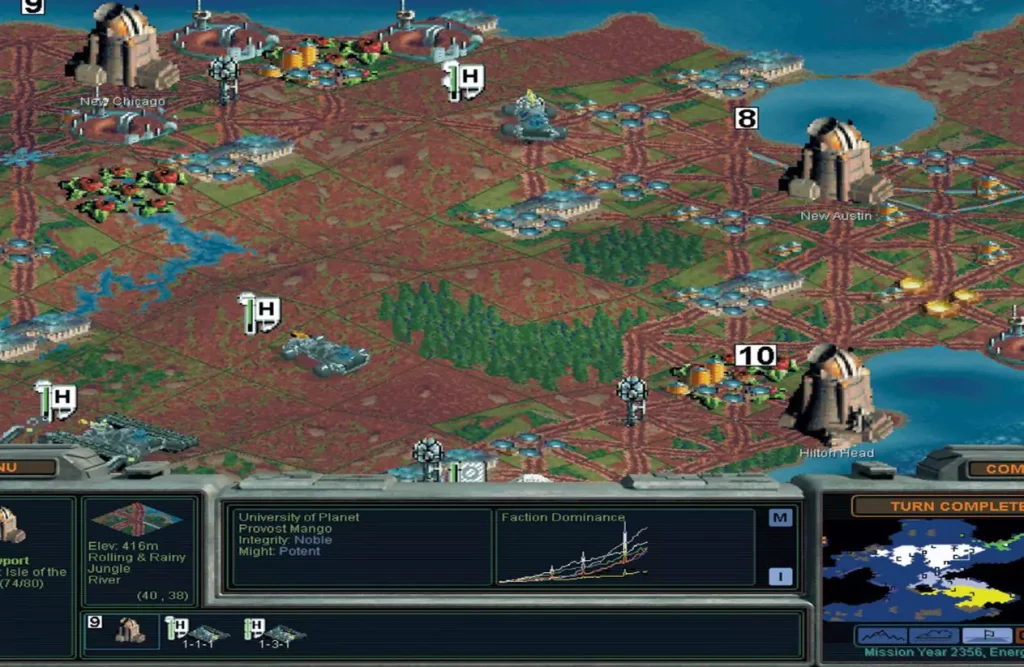
When discussing Games Like Civilization, it’s impossible to overlook Sid Meier’s Alpha Centauri. Released in 1999, this title isn’t just “like” Civilization; it’s practically its spiritual successor, taking the beloved 4X formula and blasting it into the far reaches of space. Instead of guiding historical nations, you lead one of seven ideologically distinct factions colonizing a new, alien planet.
What truly makes Alpha Centauri stand out is its incredibly rich narrative and deep philosophical underpinnings. Each faction represents a unique vision for humanity’s future, leading to fascinating conflicts and alliances driven by principles rather than just borders. The game delves into environmentalism, transhumanism, and the very nature of consciousness, making every decision feel weighty and impactful.
Key Features that Make it Shine:
- Deep Faction Personalities: Each of the seven factions (and later, the alien factions in expansions) has unique abilities, units, and philosophies that genuinely alter your playstyle and strategic approach.
- Living Planet: Planet, the sentient alien ecosystem, isn’t just scenery. It actively reacts to your terraforming and pollution, adding a dynamic and often hostile element to the game.
- Custom Unit Design: This was revolutionary! Instead of pre-set units, you could design your own, combining chassis, weapons, and armor to create specialized forces tailored to your strategy.
- Societal Engineering: A robust system that lets you tweak your society’s values (e.g., Free Market, Planned Economy, Police State) for powerful bonuses and penalties, adding another layer of strategic depth.
- Narrative Immersion: Through quotes, events, and discoveries, the game weaves a compelling story about humanity’s struggle and evolution on an alien world.
2. Endless Legend: A Fantasy 4X That Captivated Me
When I first stumbled upon Endless Legend, I was immediately drawn in by its stunning art style and the promise of a fantasy 4X experience. It’s a game that, while sharing the core strategic DNA of a Civilization-style title, carves out its own unique path with incredible depth and atmosphere. I found myself spending hours just admiring the gorgeous, stylized world of Auriga.
What truly hooked me was the sheer asymmetry of its factions. Unlike other 4X games where civilizations often feel like variations on a theme, in Endless Legend, each of the major factions plays completely differently. For instance, I remember playing as the Vaulters, who can teleport their entire main city, or the Cult of the Eternal End, who can only have one city but can convert minor factions.
This radical design choice means that every playthrough offers a genuinely fresh strategic challenge, forcing me to adapt my usual 4X habits.
What I Loved About Endless Legend:
- Asymmetrical Factions: This is the game’s crowning glory. I loved how each faction feels like a distinct race from a fantasy novel, with unique mechanics, quests, and even victory conditions. It truly redefines replayability.
- Narrative Quests: Beyond the standard expansion and conquest, I found myself deeply invested in the faction-specific questlines. These narrative arcs provide a compelling reason to push forward, often revealing fascinating lore about Auriga.
- Beautiful World & Lore: The game’s aesthetic is simply breathtaking. From the vibrant biomes to the intricate unit designs, it’s clear a lot of love went into crafting this world. The lore, too, is rich and immersive, drawing me deeper into its mysteries.
- Strategic Combat: Combat takes place on a separate tactical map, allowing me to position my units and utilize terrain. I appreciated the added layer of control this offered compared to simpler auto-resolve systems.
- Unique Resource System: Beyond typical production and food, I enjoyed managing Dust, Influence, and specific strategic and luxury resources that unlock powerful bonuses and technologies.
3. Stellaris: A Grand Strategy Epic Among Games Like Civilization
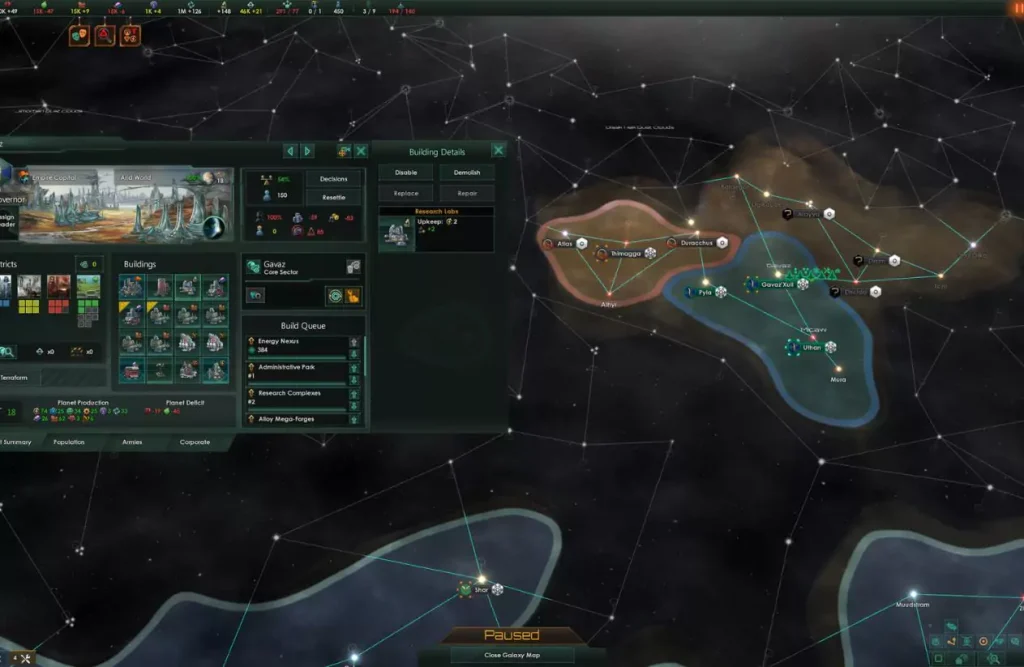
When you’re searching for Games Like Civilization but want to truly expand your horizons beyond a single planet, Stellaris is an absolute must-play. Developed by Paradox Interactive, known for their incredibly deep grand strategy titles, Stellaris takes the 4X formula to a galactic scale. Instead of guiding a civilization through millennia on Earth, you’re leading an entire interstellar empire, exploring vast star systems, encountering alien species, and shaping the destiny of the cosmos.
What sets Stellaris apart is its incredible scope and emergent storytelling. Every playthrough feels like a unique sci-fi saga. You might discover ancient, fallen empires, stumble upon mysterious anomalies, engage in complex diplomacy with dozens of alien races, or wage epic wars across multiple star systems. The game constantly throws unexpected events and crises your way, forcing you to adapt and react, making for a truly dynamic experience.
Why Stellaris Stands Out in the 4X Universe:
- Vast Galactic Scale: Explore, colonize, and exploit hundreds of star systems, each with unique planets, resources, and celestial phenomena. The sheer size of the galaxy is awe-inspiring.
- Deep Empire Customization: Before you even start, you can design your own alien species, defining their ethics, traits, government type, and even their preferred method of space travel. This allows for incredible role-playing and strategic variety.
- Dynamic Diplomacy & Federations: Engage in intricate diplomatic relations, form alliances, rivalries, and even powerful federations with other empires. The political landscape is constantly shifting.
- Emergent Storytelling: Random events, unique anomalies, and mid-game and late-game crises ensure that no two playthroughs are ever the same. You’ll encounter everything from ancient threats to technological singularities.
- Complex Economic & Research Systems: Manage intricate economies across your empire, specializing planets and optimizing trade. Research is divided into three distinct paths (Physics, Society, Engineering), each offering different technological advancements.
4. Age of Empires Series: My Journey Through Real-Time History
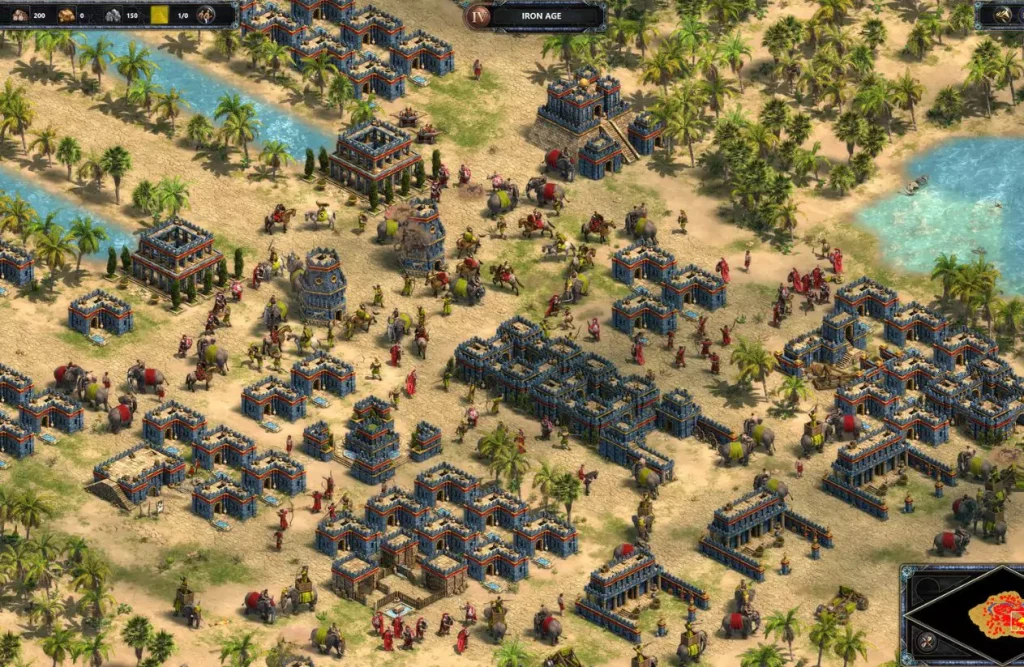
When I think about games that scratch that strategic itch, but with a more immediate, real-time feel, the Age of Empires series immediately springs to mind. While it’s not a turn-based grand strategy like some of the other titles we’ve discussed, it offers a captivating blend of base-building, resource management, and military conquest that I’ve found incredibly engaging over the years. I remember countless hours spent meticulously building up my economy before unleashing a massive army.
What I’ve always loved about Age of Empires is its historical setting. Each game in the series lets you guide various historical civilizations through different eras, from the Stone Age to the colonial period. It’s fascinating to see how different cultures are represented, each with unique units, technologies, and architectural styles.
The feeling of advancing through ages, unlocking new capabilities, and seeing your small village transform into a bustling city or a formidable fortress is incredibly satisfying.
Why I Keep Coming Back to Age of Empires:
- Real-Time Strategy with Depth: Unlike turn-based games, the action unfolds in real-time, demanding quick thinking and efficient multi-tasking as I manage my economy and military simultaneously.
- Historical Immersion: I’ve always appreciated how the series grounds itself in history, allowing me to play as iconic civilizations and witness their technological and military progression.
- Distinct Civilizations: Each civilization feels unique, not just visually, but strategically. I enjoy experimenting with different civ bonuses, unique units, and tech trees to find new ways to dominate.
- Satisfying Base Building: There’s a real joy in constructing a thriving settlement, laying out walls, farms, and production buildings, and watching my population grow.
- Engaging Combat: Whether it’s classic skirmishes or epic siege battles, the tactical combat is always exciting, requiring careful unit composition and strategic maneuvering.
5. Total War Series: My Grand Strategy Obsession with Epic Battles
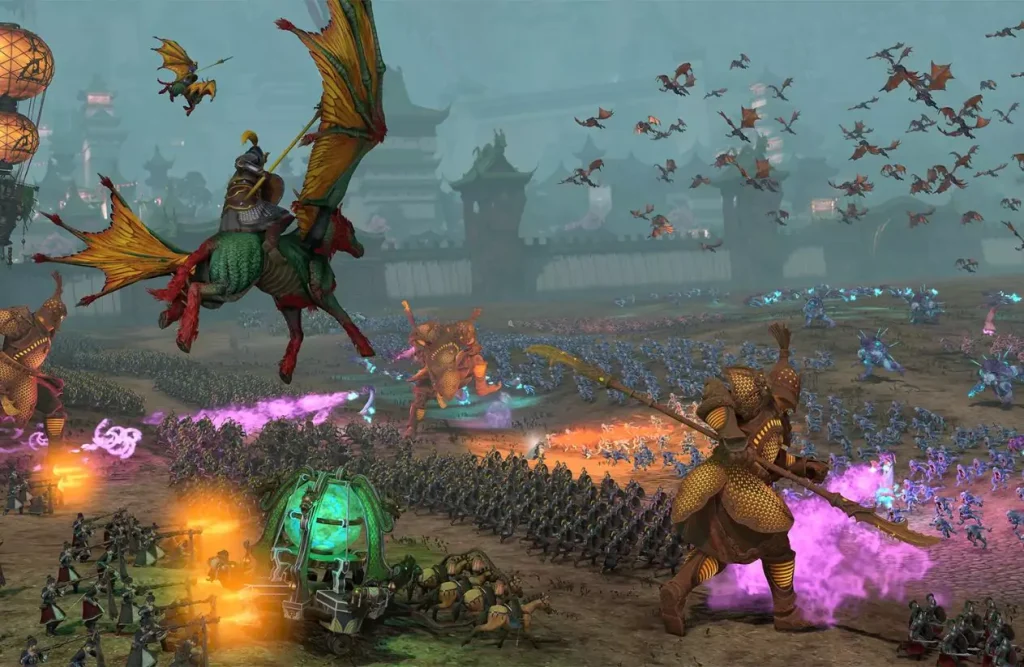
When it comes to Games Like Civilization that blend turn-based strategic depth with real-time tactical combat, the Total War series is in a league of its own, and it’s a series I’ve poured countless hours into. I remember the first time I zoomed into a battle in Rome: Total War and saw thousands of individual soldiers clashing on the field – it was a truly breathtaking moment that forever changed my expectations for strategy games.
What I find so compelling about Total War is its dual nature. On one hand, I’m managing a vast empire on a strategic campaign map, making diplomatic decisions, developing provinces, and researching technologies, much like I would in a Civilization game.
But then, when armies clash, the game seamlessly transitions to a massive, real-time battlefield where I get to directly command every unit, flank enemies, and execute complex maneuvers. This combination of macro-level strategy and micro-level tactics is incredibly satisfying and keeps me constantly engaged.
Why Total War Keeps Me Coming Back:
- Epic Real-Time Battles: This is the heart of the series for me. Commanding thousands of units on a detailed battlefield, using terrain to my advantage, and seeing my strategies unfold in real-time is an unparalleled experience.
- Deep Campaign Map Strategy: Beyond the battles, I enjoy the turn-based empire management, including diplomacy, trade, city building, and agent actions, which provides a rich strategic layer.
- Historical & Fantasy Settings: I love that the series explores a wide range of settings, from historical periods like ancient Rome and feudal Japan to fantastical worlds like Warhammer. Each setting brings unique factions, units, and challenges.
- Faction Variety: Every faction I’ve played feels distinct, with unique units, buildings, and strategic advantages that encourage different playstyles and offer immense replayability.
- Modding Community: The active modding community has always added incredible value, expanding the game with new content, units, and even entirely new campaigns, keeping the experience fresh for years.
6. Crusader Kings III: My Deep Dive into Dynastic Drama
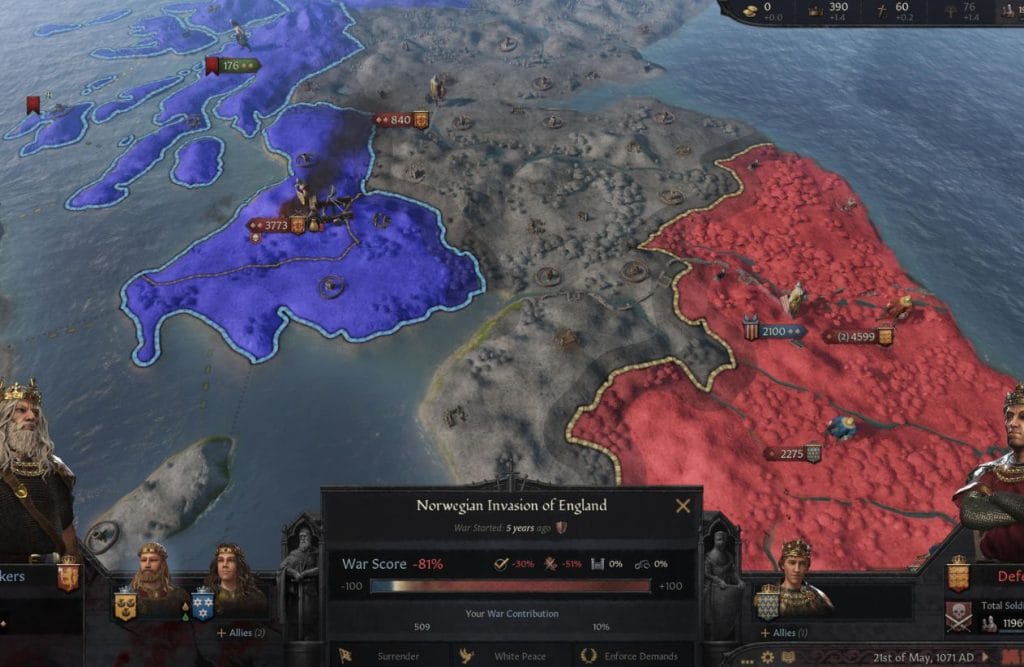
When I think about Games Like Civilization that offer a truly unique spin on grand strategy, Crusader Kings III immediately comes to mind. It’s a title that, at first glance, might seem similar with its map-based empire management, but it quickly reveals itself to be something far more personal and dramatic.
What I’ve found utterly captivating about this game is that you’re not playing as a nation or a civilization; you’re playing as a person – a medieval ruler, leading your dynasty through generations of intrigue, love, war, and betrayal.
I’ve spent countless hours in Crusader Kings III not just conquering territories, but meticulously planning marriages, educating my heirs, assassinating rivals, and navigating complex feudal politics. The stories that emerge from each playthrough are genuinely unique and often hilarious or heartbreaking.
One moment I might be celebrating a successful crusade, and the next, I’m trying to uncover a plot to murder my beloved spouse. It’s less about painting the map your color and more about crafting an epic, multi-generational family saga.
Why Crusader Kings III is a Unique Experience for Me:
- Character-Driven Gameplay: This is the core appeal. I love developing my ruler’s personality, skills, and relationships, knowing that their traits directly impact the success of my dynasty.
- Dynastic Focus: My goal isn’t just to win a war, but to ensure my family’s legacy endures. This involves careful succession planning, eugenics (in a game context, of course!), and navigating a complex family tree.
- Intrigue & Role-Playing: The game’s robust intrigue system allows for endless schemes, from seduction and blackmail to murder plots. I often find myself role-playing my characters’ traits, even if it’s not always the most optimal strategic move.
- Feudal Politics & Vassal Management: Managing my vassals and their opinions of me is a constant balancing act. I’ve learned that a happy vassal is a productive vassal, but sometimes a little tyranny is necessary!
- Emergent Storytelling: The game is a true story generator. I’m constantly surprised by the unpredictable events and character interactions that lead to memorable narratives, making every campaign feel like a personalized historical drama.
7. Humankind: My Take on History’s Branching Paths
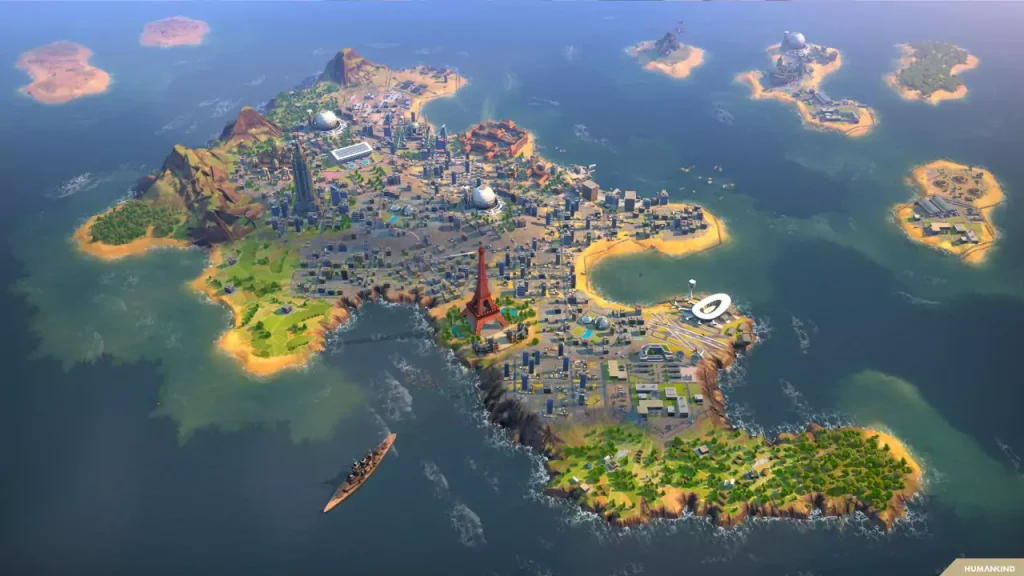
Stepping into Humankind felt like a fresh take on the historical 4X genre, and I was immediately intrigued by its ambitious approach. It’s a game that clearly draws inspiration from the classics, but then boldly twists the formula, allowing you to truly forge your own unique civilization by blending cultures across eras.
I found this concept incredibly compelling, as it meant my empire wasn’t just a static entity, but a dynamic tapestry woven from different historical legacies.
What truly captivated me was the “fame” system and the ability to choose a new culture each era. Instead of sticking with one civilization from start to finish, I could begin as the Babylonians, transition to the Romans, then the Vikings, and finally the Americans, accumulating fame points along the way.
This mechanic encourages a much more flexible and adaptive playstyle, as I constantly had to re-evaluate my strengths and weaknesses based on my chosen culture’s unique bonuses and units. It made every era transition a significant strategic decision, and I loved the freedom it offered to experiment with different combinations.
What I Appreciated About Humankind:
- Evolving Cultures: The ability to pick a new culture each era is a game-changer. I enjoyed the strategic depth this added, allowing me to adapt my playstyle and leverage different historical strengths throughout a single campaign.
- Fame as a Victory Condition: Focusing on “fame” rather than just conquest or science felt refreshing. It encouraged me to pursue various achievements, from building wonders to exploring new territories, making every action contribute to my overall legacy.
- Combined Arms Combat: The tactical battles on the world map were engaging. I liked how units could reinforce each other from adjacent tiles, making positioning and army composition crucial for success.
- Detailed City Management: Building out my cities felt rewarding, with districts expanding outward and influencing adjacent tiles. I found myself carefully planning my city layouts to maximize yields.
- Narrative Events: The game frequently presented me with interesting choices and events that added flavor and often had significant consequences, contributing to the feeling of a living, evolving world.
8. Anno 1800: My Deep Dive into Industrial Logistics
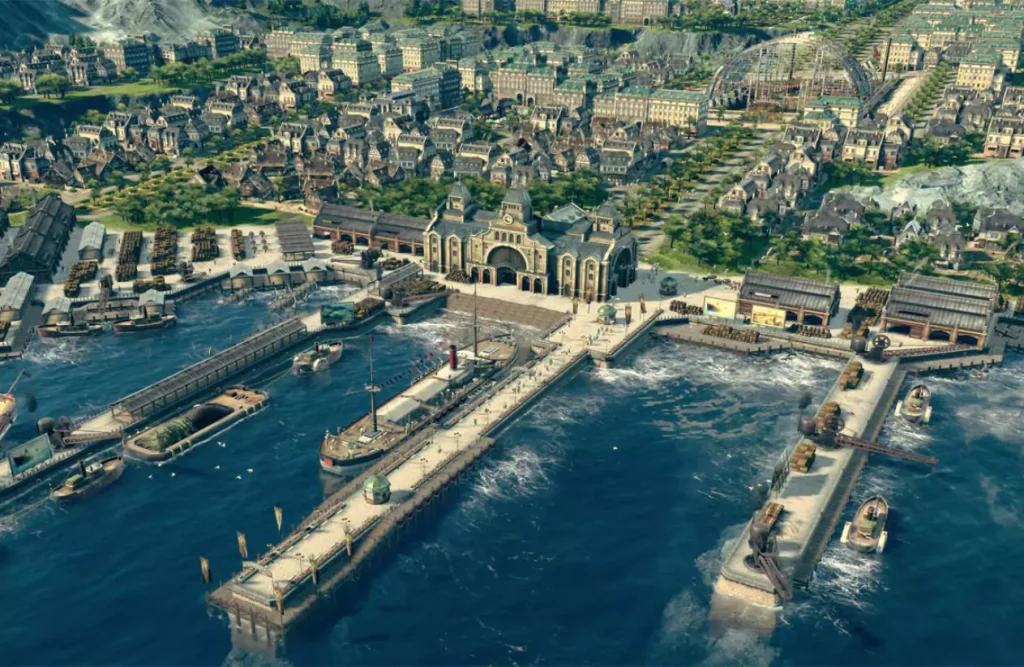
Stepping into Anno 1800 was like being handed the keys to a bustling, burgeoning industrial empire, and I quickly found myself utterly engrossed in its intricate world. While it’s a real-time city-builder and economic simulator at its core, the sheer depth of its production chains and trade networks provides a strategic challenge that I find incredibly satisfying, almost like a massive, living puzzle.
I’ve spent countless hours meticulously planning layouts, optimizing supply lines, and watching my tiny settlements blossom into sprawling metropolises.
What truly sets Anno 1800 apart for me is its commitment to the Industrial Revolution setting. Every factory, every farm, and every citizen tier feels authentic to the era, from the smog-filled Old World to the resource-rich New World. The constant balancing act of keeping my citizens happy with an ever-growing list of needs, while simultaneously managing complex global trade routes to acquire raw materials and sell finished goods, is where the game truly shines.
There’s an immense sense of accomplishment when a perfectly optimized production line hums along, delivering goods seamlessly across continents.
What I Love About Anno 1800:
- Intricate Production Chains: This is the game’s bread and butter. I love the challenge of setting up complex chains, from sheep farms to wool mills to clothing factories, and then ensuring those clothes reach my citizens. It’s a constant, rewarding puzzle.
- Multi-Region Gameplay: Managing separate economies and populations in the Old World and the New World, and establishing efficient trade routes between them, adds a fantastic layer of strategic depth and logistical challenge.
- Living, Breathing Cities: The visual detail is stunning. I often find myself zooming in to watch my citizens go about their daily lives, seeing the trains chug along, and admiring the architectural evolution of my cities.
- Citizen Needs & Happiness: Keeping my population satisfied is paramount, and it’s a delightful challenge to provide them with everything from fish and schnapps to gramophones and jewelry as they advance through social tiers.
- Expeditions & World Events: Sending out ships on expeditions to discover new islands or encounter unique events adds a sense of adventure and unpredictability to the otherwise focused economic gameplay.
9. Galactic Civilizations III: Charting the Stars
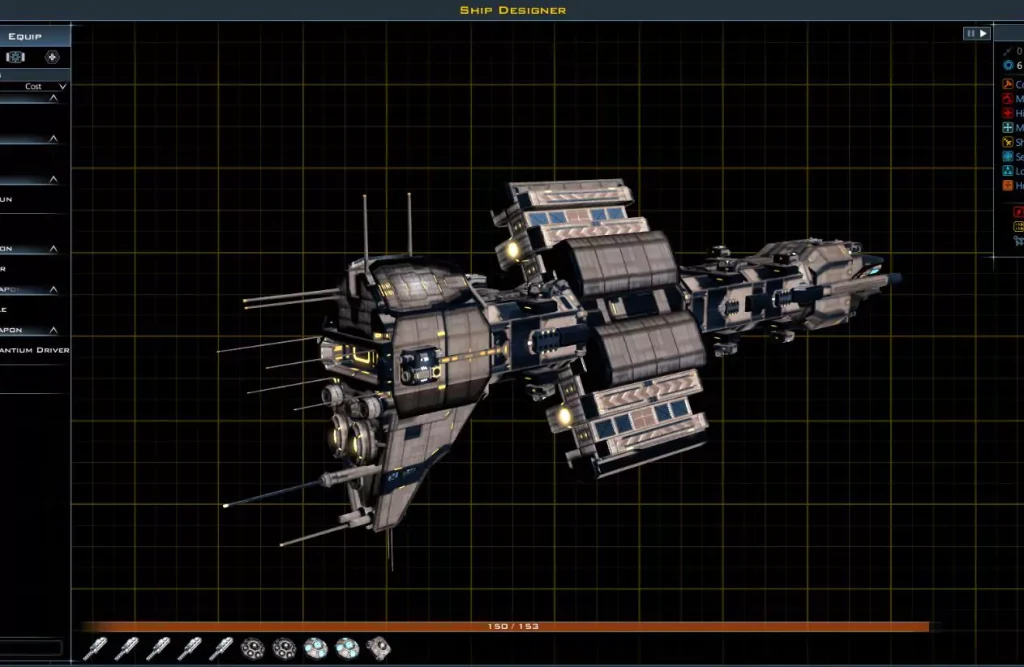
Galactic Civilizations III offers a compelling space 4X experience that invites players to forge an empire among the stars. This title stands out by providing a vast, customizable galaxy where every decision, from planetary development to diplomatic overtures, carries weight in the grand cosmic struggle. It’s a game that emphasizes strategic depth and player agency, allowing for diverse paths to victory across countless star systems.
What truly distinguishes Galactic Civilizations III is its robust sandbox nature and the sheer scale of its galaxies. Players can generate maps with an unprecedented number of stars and planets, leading to truly epic campaigns that can last for hours, days, or even weeks.
The game’s intricate diplomacy system, coupled with a deep technology tree and customizable ship designs, ensures that each playthrough presents fresh challenges and opportunities for galactic domination or peaceful coexistence.
Key Features that Define Galactic Civilizations III:
- Massive, Customizable Galaxies: The ability to create truly enormous galaxies with hundreds of star systems provides an unparalleled sense of scale and replayability.
- Deep Faction Customization: Players can design their own alien races, defining their appearance, traits, and ideologies, which significantly impacts their playstyle and diplomatic interactions.
- Modular Ship Design: A highly detailed ship designer allows players to craft unique starships, customizing everything from weapons and defenses to engines and utilities, leading to diverse fleet compositions.
- Complex Diplomacy and Ideologies: The game features a nuanced diplomatic system where actions and ideological choices influence relations with other empires, opening avenues for alliances, trade, or conflict.
- Rich Technology Tree: Researching new technologies unlocks advanced structures, units, and societal advancements, propelling your empire through various eras of galactic development.
- Multiple Victory Conditions: Beyond military conquest, players can achieve victory through technological supremacy, cultural influence, or diplomatic leadership, offering varied strategic goals.
10. Northgard: A Viking Twist on 4X Survival
For those seeking Games Like Civilization but with a more focused, survival-oriented approach, Northgard offers a refreshing take on the real-time strategy genre. Set in a beautifully stylized Norse mythology universe, this game challenges players to lead a Viking clan to prosperity on a newly discovered, harsh continent. It blends elements of base-building, resource management, and strategic conquest with a strong emphasis on adapting to environmental challenges and the unique characteristics of each clan.
What makes Northgard particularly engaging is its tile-based exploration and settlement system, reminiscent of 4X games, combined with real-time resource management and combat. Players must carefully expand their territory, manage their population’s needs (food, wood, happiness), and contend with harsh winters, mythical beasts, and rival clans.
Each clan brings distinct bonuses and playstyles, encouraging diverse strategies, whether through trade, lore, conquest, or fame.
Why Northgard Stands Out:
- Viking Clan Focus: Instead of broad civilizations, players lead distinct Viking clans, each with unique bonuses, units, and victory paths that encourage different strategic approaches.
- Survival Elements: Harsh winters, blizzards, and natural disasters are significant challenges, forcing players to prioritize resource stockpiling and population management to survive.
- Tile-Based Expansion: The map is divided into explorable tiles, and expanding requires careful consideration of resources, enemy presence, and strategic choke points.
- Streamlined Resource Management: While deep, the resource system is intuitive, focusing on key resources like food, wood, stone, iron, and krowns, which are essential for growth and military strength.
- Mythological Creatures & Lore: Encountering and battling mythical creatures like draugr, valkyries, and giants adds a rich thematic layer and unique combat challenges.
- Varied Victory Conditions: Players can achieve victory through conquest, fame, lore (research), trade, or by building the World Tree, offering multiple strategic objectives.
Also Check Our Article: Best Strategy Mobile Games